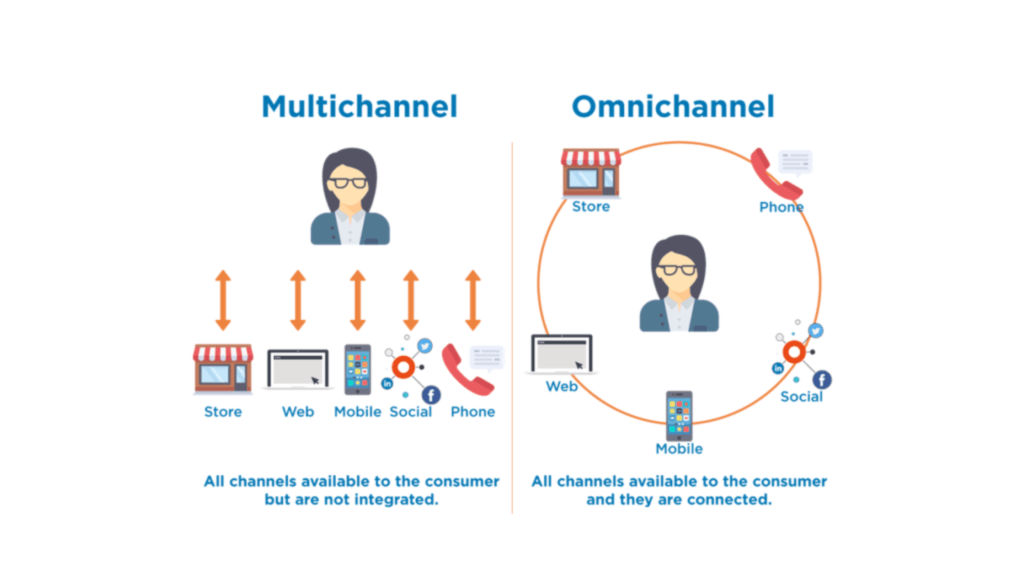
In today’s digital age, it’s more important than ever for businesses to have an omnichannel strategy in place. An omnichannel strategy refers to a marketing approach that provides a seamless and consistent customer experience across all channels and touchpoints. Whether a customer interacts with your business through your website, social media, email, or in-store, an omnichannel strategy ensures that their experience is cohesive and personalized.
So, why is an omnichannel strategy so important in digital marketing? Here are a few key reasons:
Increased Engagement
By providing a consistent and personalized experience across all channels, an omnichannel strategy can increase customer engagement. When customers feel that a business understands their needs and preferences, they are more likely to engage with the brand and make a purchase.
Improved Customer Retention
An omnichannel strategy can also improve customer retention. When customers have a positive experience with a brand, they are more likely to become loyal customers and make repeat purchases. By providing a consistent and personalized experience across all channels, businesses can build trust and loyalty with their customers.
Better Data and Insights
An omnichannel strategy also provides businesses with better data and insights. By tracking customer behavior across all channels, businesses can gain a deeper understanding of their customers’ needs and preferences. This information can be used to optimize marketing strategies and improve customer experiences.
So, how can businesses implement an effective omnichannel strategy? Here are a few key steps:
Know Your Customers
To create a personalized and seamless customer experience, businesses must first understand their customers’ needs and preferences. Conduct market research and collect data on customer behavior to gain a deeper understanding of your audience.
Integrate Your Channels
To ensure a consistent experience across all channels, businesses must integrate their channels. This can be achieved through the use of technology and tools such as customer relationship management (CRM) software, marketing automation software, and data analytics tools.
Personalize Your Messaging
Personalization is key to an effective omnichannel strategy. Use customer data to tailor messaging and content to each individual customer. This can include personalized recommendations, promotions, and messages.
In conclusion, an omnichannel strategy is essential for businesses looking to succeed in today’s digital landscape. By providing a seamless and personalized customer experience across all channels, businesses can increase engagement, improve customer retention, and gain valuable data and insights. To implement an effective omnichannel strategy, businesses must know their customers, integrate their channels, and personalize their messaging.
Your message has been sent


 GEO Digital Marketing
Leave a comment